

Derm Guide to Fighting Acne: How to Beat It by Dr. Asempa
Why Men's Acne Is Different (And What To Do About It)
Acne isn't just a teenage problem. Many guys continue to deal with breakouts well into adulthood—and men's skin has unique characteristics that can make acne harder to manage.
The good news? Understanding what causes breakouts is the first step toward clearer skin.
The Quick Answer
Men tend to produce more oil, have larger pores, and experience more body acne than women. That's why a consistent routine with the right ingredients can make a big difference.
Why Men's Acne Is Different
More Oil Production
Higher levels of testosterone can trigger the skin to produce more oil, increasing the likelihood of clogged pores and breakouts.
Larger Pores & Thicker Skin
Men's skin is naturally thicker and often has larger pores, creating more opportunities for oil, dirt, and dead skin cells to become trapped.
Shaving Can Make Things Worse
Shaving can help exfoliate skin, but it can also cause irritation, spread bacteria, and contribute to razor bumps that resemble acne.
Body Breakouts Are Common
Sweat, friction, and active lifestyles often lead to acne on the back, chest, and shoulders.
The Better Approach: Be Consistent, Not Aggressive
Many guys try to scrub acne away. The problem? Over-scrubbing can damage your skin barrier and increase irritation.
Instead, focus on a simple routine that works.
Step 1: Cleanse
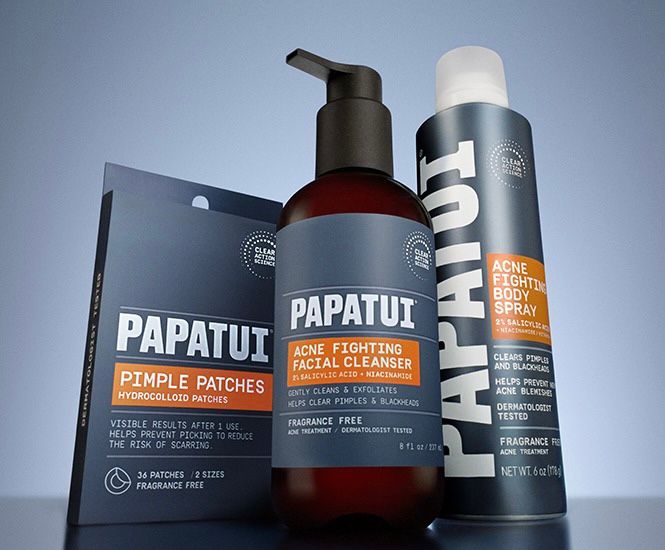
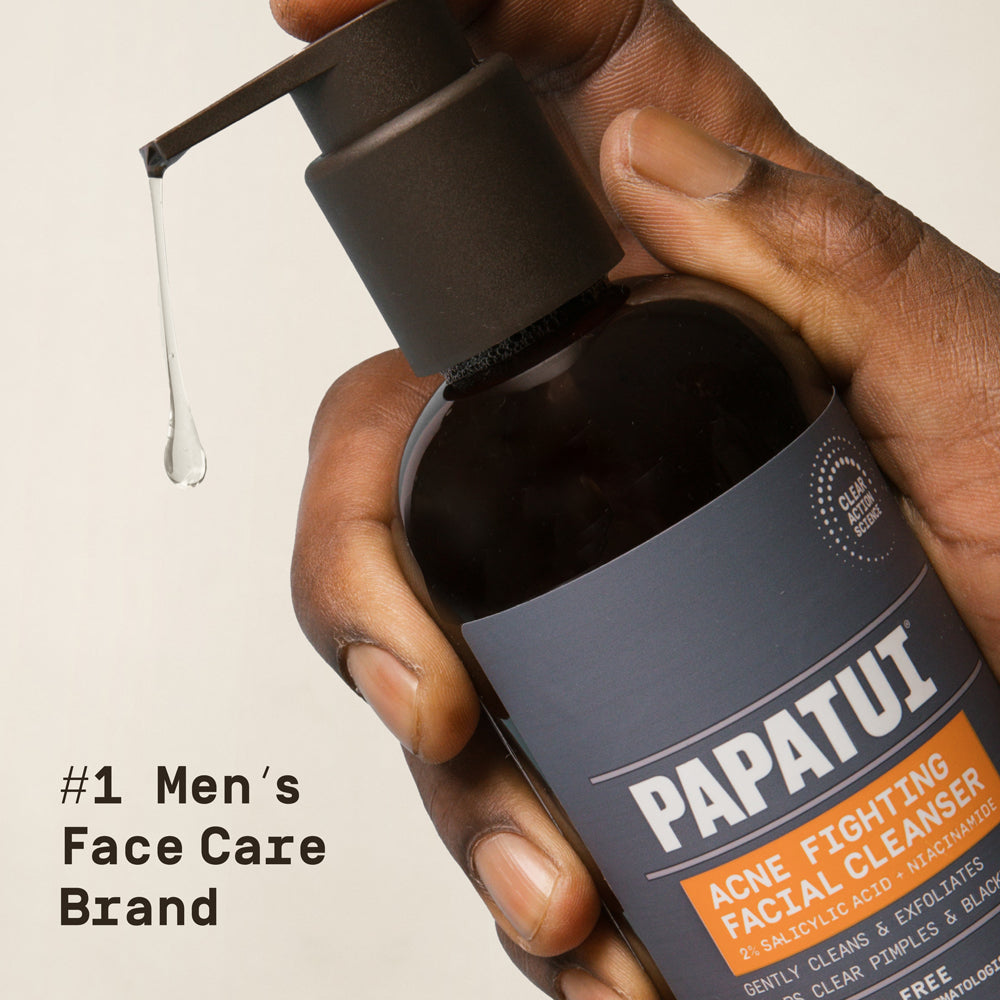
Use a cleanser with Salicylic Acid to help clear pores, reduce excess oil, and remove dirt and sweat.
Step 2: Hydrate
Even oily skin needs moisture. A lightweight moisturizer helps support your skin barrier and prevent dryness.
Step 3: Protect
Daily sunscreen helps protect skin and can reduce the appearance of post-acne marks over time.

Spot Treat Stubborn Breakouts
For Facial Acne
Hydrocolloid pimple patches help absorb buildup while discouraging picking and touching.
For Body Acne
A leave-on acne spray can help target hard-to-reach areas like the back, chest, and shoulders.

Smarter Shaving Tips
- Shave after a warm shower.
- Shave with the grain.
- Consider a single-blade or electric razor if you're prone to irritation.
When To See A Dermatologist
If breakouts aren't improving after 6–8 weeks of consistent use, or you're experiencing painful cystic acne, it's worth consulting a dermatologist.
Remember: Acne is a medical condition—not a reflection of cleanliness. The right routine can help you take control of it.

Read more
While we usually focus on our faces, breakouts on the back, chest, and shoulders, often called "body acne", “backne” or “chestne” are incredibly common. Because the skin on your body is thicker and...
At PAPATUI, we’re always listening to what guys need. When we learned that men’s #1 skincare concern was related to acne - pimples, oily skin, blackheads - we didn’t just want to create another set...